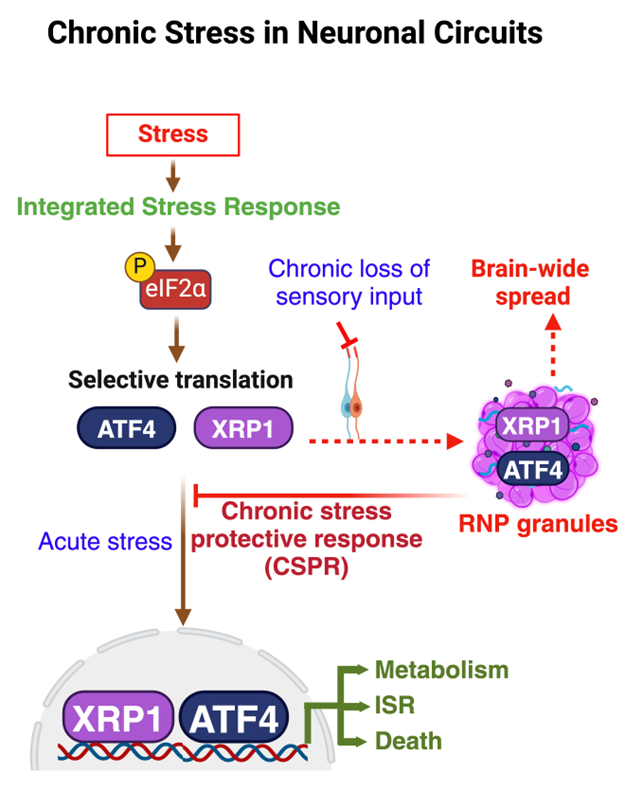
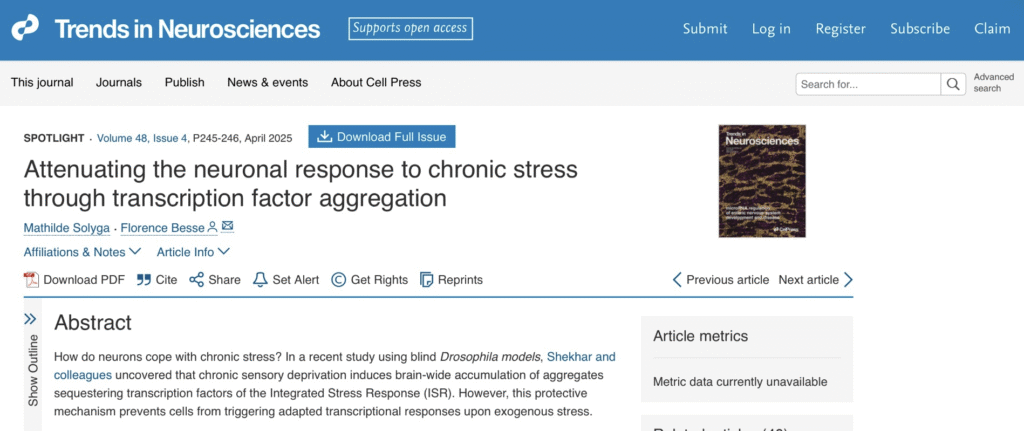
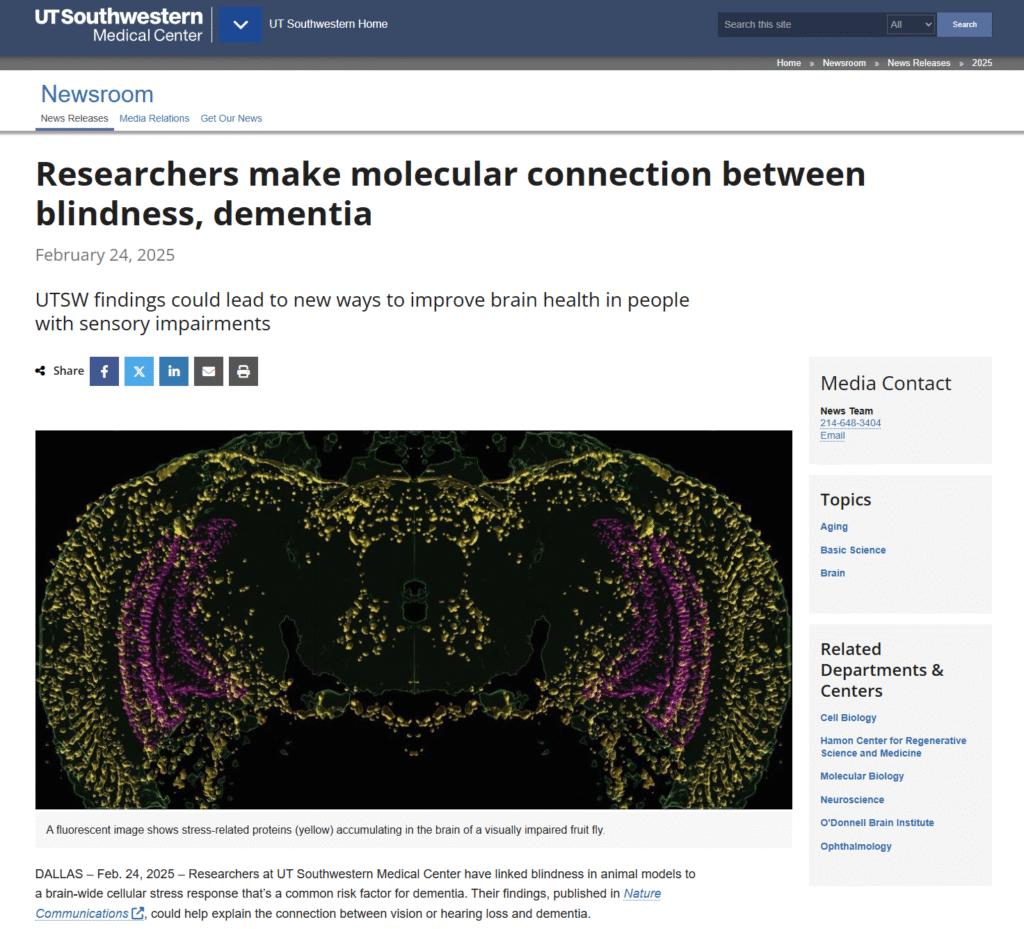
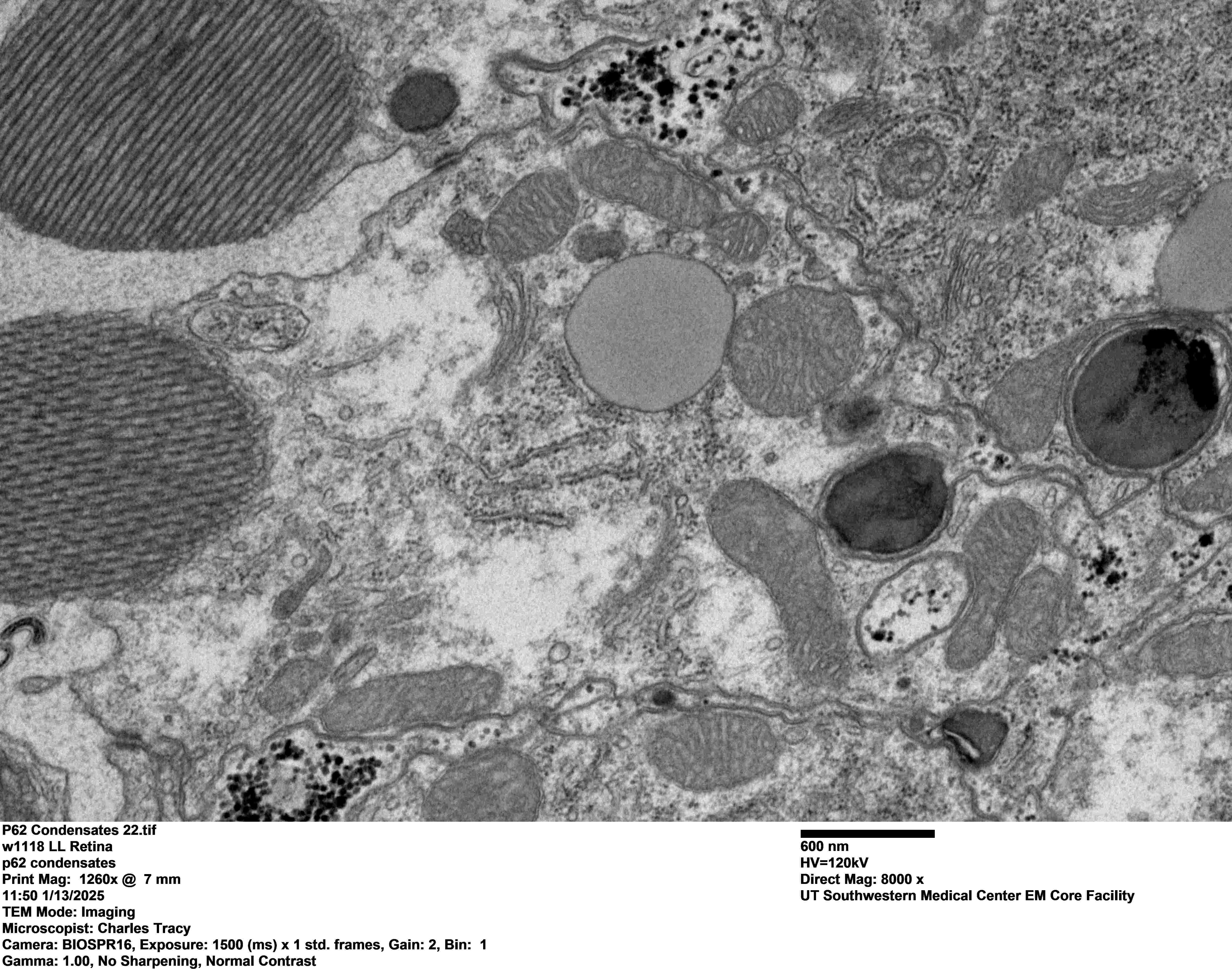
1. Shekhar S, Tracy C, Lidsky PV, Andino R, Wert KJ, Krämer H. Sensory quiescence induces a cell-non-autonomous integrated stress response curbed by condensate formation of the ATF4 and XRP1 effectors. Nature Communications.2025;16:252.
[Spotlight: Besse F. Trends Neurosci. 2025. doi:10.1016/j.tins.2025.02.007.]
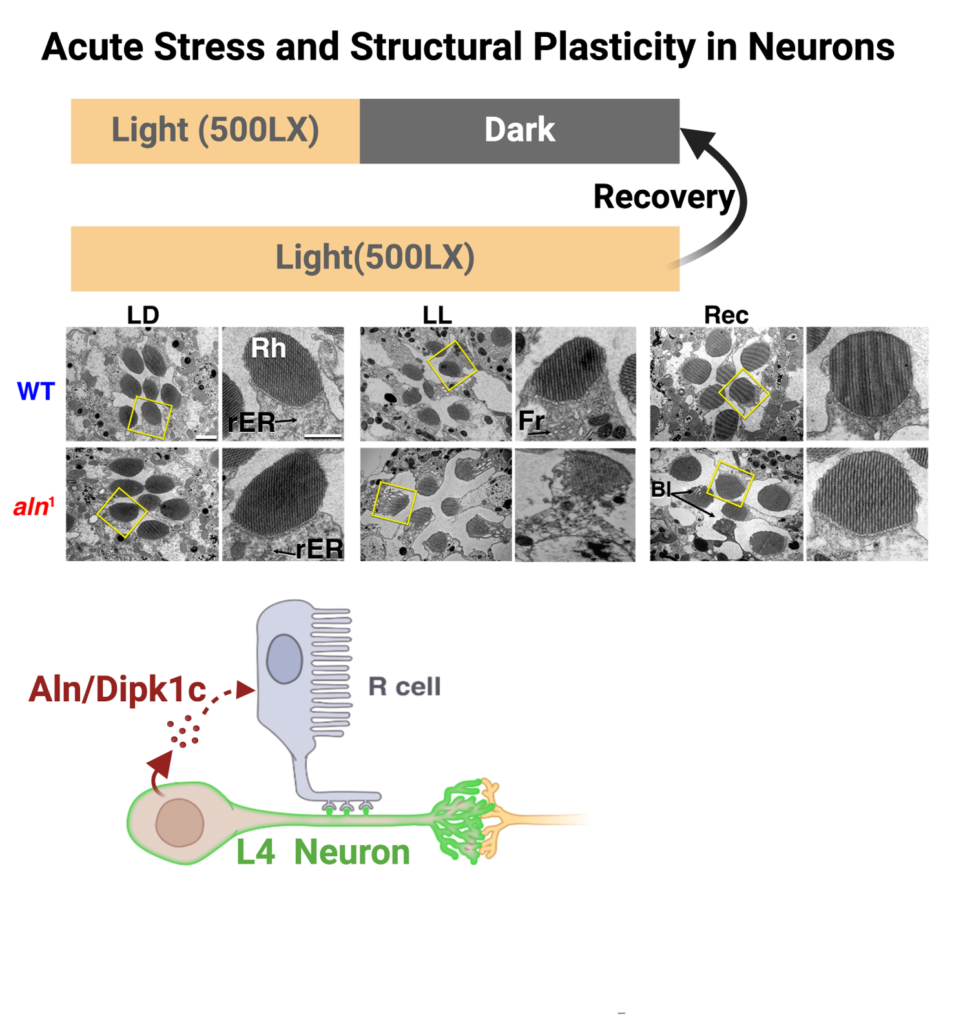
2. Shekhar S#, Moehlman AT, Park B, Ewnetu M, Tracy C, Titos I, et al. Allnighter pseudokinase-mediated feedback links proteostasis and sleep in Drosophila. Nature Communications. 2023;14:2932. (# Co-corresponding author)
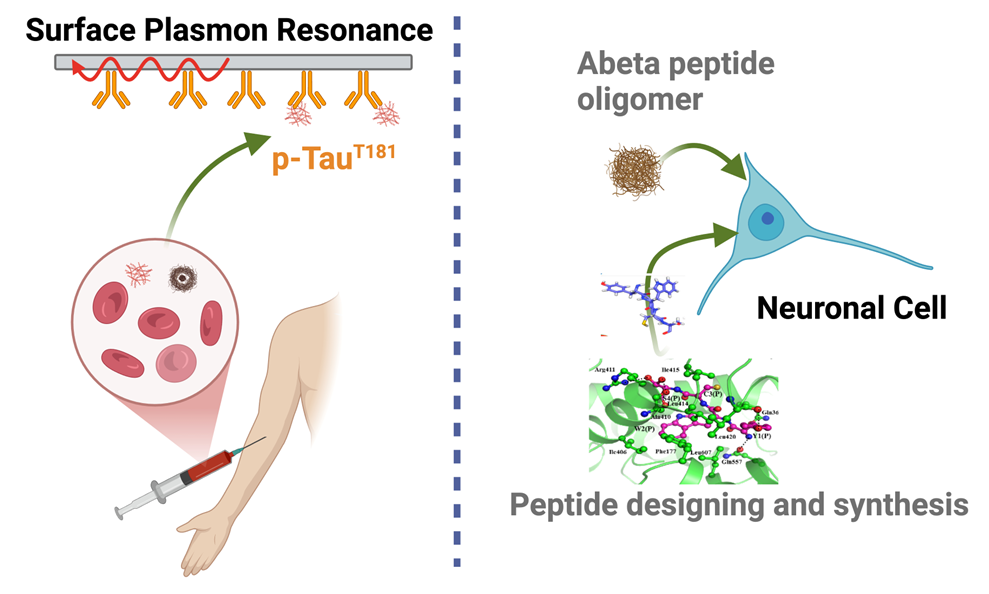
3. Kumari S, Singh A, Singh AK, Yadav Y, Bajpai S, Upadhyay AK, et al. Circulatory GSK-3β: blood-based biomarker and therapeutic target for Alzheimer’s disease. J Alzheimers Dis. 2022;85(1):249–60.
4. Shekhar S, Tripathi M, Dey AB, Dey S. Exploring the serum level of RE1 silencing transcription factor in Alzheimer’s disease. Ann Natl Acad Med Sci (India). 2021;00:1–5.
5. Anwar M, Mallick SR, Paliwal D, Sekhar S, Panda SK, Dey S, et al. Impact of physical activity on mitochondrial enzymes, muscle stem cell and antioxidant protein Sestrins in sarcopenic mice. Exp Gerontol. 2021;150:111358.
6. Shekhar S, Dey S. Induction of p73, Δ133p53, Δ160p53, pAKT lead to neuroprotection via DNA repair by 5-LOX inhibition. Mol Biol Rep. 2020;47:269–74.
7. Pradhan R, Yadav SK, Prem NN, Bhagel V, Pathak M, Shekhar S, et al. Serum FOXO3A: a ray of hope for early diagnosis of Alzheimer’s disease. Mech Ageing Dev. 2020;190:111290.
8. Singh AP, Nigam L, Yadav Y, Shekhar S, Subbarao N, Dey S. Design and in vitro analysis of SIRT2 inhibitor targeting Parkinson’s disease. Mol Divers. 2020; 25:2261-2270.
9. Sahu V, Nigam L, Agnihotri V, Gupta A, Shekhar S, Subbarao N, et al. Diagnostic significance of p38 isoforms (p38α, p38β, p38γ, p38δ) in head and neck squamous cell carcinoma: comparative serum level evaluation and design of novel peptide inhibitor. Cancer Res Treat. 2019;51(1):313–25.
10. Shekhar S, Yadav Y, Singh AP, Pradhan R, Desai GR, Dey AB, et al. Neuroprotection by ethanolic extract of Syzygium aromaticum in Alzheimer’s disease-like pathology via maintaining oxidative balance through SIRT1 pathway. Exp Gerontol. 2018;110:277–83.
11. Shekhar S, Yadav SK, Rai N, Kumar R, Yadav Y, Tripathi M, et al. 5-LOX in Alzheimer’s disease: potential serum marker and in vitro evidences for rescue of neurotoxicity by its inhibitor YWCS. Mol Neurobiol. 2018;55(4):2754–62.
12. Pradhan R, Kumar R, Shekhar S, Rai N, Ambashtha A, Banerjee J, et al. Longevity and healthy ageing genes FOXO3A and SIRT3: serum protein markers and new roadmap to burst oxidative stress by Withania somnifera. Exp Gerontol. 2017;95:9–15.
13. Singh K, Shekhar S, Yadav Y, Xess I, Dey S. DS6: anticandidal, antibiofilm peptide against Candida tropicalis and exhibits synergy with commercial drug. J Pept Sci. 2017;23(3):228–35.
14. Shekhar S, Kumar R, Rai N, Kumar V, Singh K, Upadhyay AD, et al. Estimation of Tau and phosphorylated Tau 181 in serum of Alzheimer’s disease and mild cognitive impairment patients. PLoS One. 2016;11(7):e0159099.
15. Rai N, Kumar R, Desai GR, Venugopalan G, Shekhar S, Chatterjee P, et al. Relative alterations in blood-based levels of Sestrin in Alzheimer’s disease and mild cognitive impairment patients. J Alzheimers Dis. 2016;54(3):1147–55.
16. Kumar R, Singh AK, Kumar M, Shekhar S, Rai N, Kaur P, et al. Serum 5-LOX: a progressive protein marker for breast cancer and new approach for therapeutic target. Carcinogenesis. 2016;37(9):912–17.
17. Singh K, Kumar S, Shekhar S, Dhawan B, Dey S. Synthesis and biological evaluation of novel peptide BF2 as an antibacterial agent against clinical isolates of vancomycin-resistant enterococci. J Med Chem. 2014;21:8880–5.
📚 Book Chapters
1. Dey S, Rai N, Shekhar S, Singh AP, Agnihotri V. Molecular marker and therapeutic regimen for neurodegenerative diseases. In: Rath P, editor. Models, Molecules and Mechanisms in Biogerontology. Singapore: Springer; 2019.
2. Nandi N, Shekhar S. Role of medical biotechnology research in the field of neurodegenerative disease treatment. In: Talukder P, editor. Exploring Medical Biotechnology: in vivo, in vitro, in silico – Biotechnology from Labs to Clinics. Abingdon: Routledge; 2023.